God was not upset at Adam and Eve for consuming the fruit of knowledge, he was upset because it hadn’t ripened yet. The plan was always to feed them the gift of knowledge, but the serpent tricked them into eating it too early, causing humans to be unable to understand the entirety of a subject.
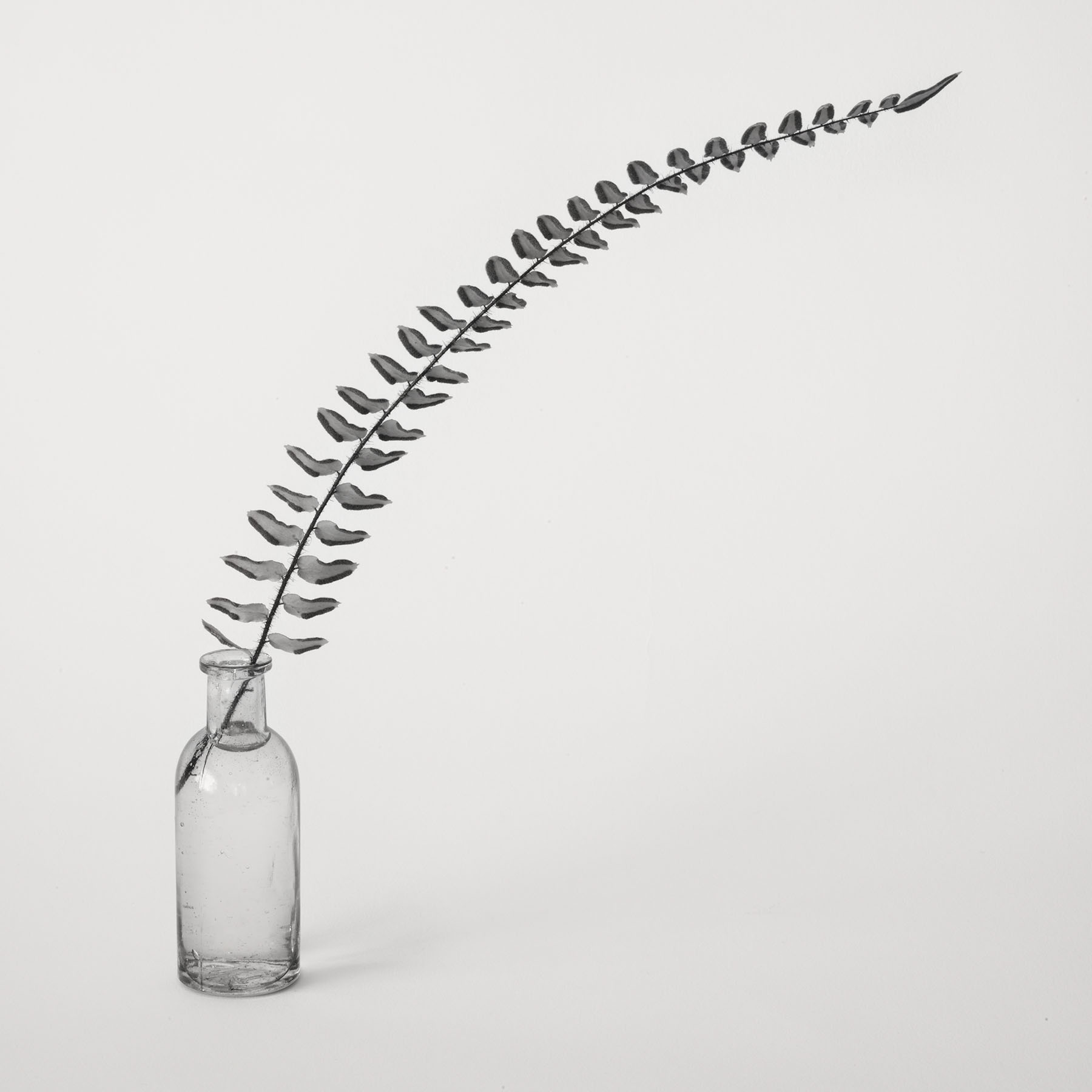
This has been a spring for watching my garden grow, and enjoying the beautiful shapes and colors that nature creates. It has been my great pleasure to tend the garden. This is a practice that is one part patient labor, one part meditation, and one part inspiration. The practice of gardening yields great subject matter for my photography: in the garden, on the light box, and in the studio.
The world at large can be wondrous and magical, and I am fully at home as a pilgrim in the world. But astoundingly there is as much magic and whimsy in the near-at-hand, in my garden flowers, twigs, and other botanical ephemera.
LIMA, PERU—The Andina News Agency reports that 169 artifacts have been returned to Peru this year from 13 different countries, including Argentina, Brazil, Chile, Luxembourg, and Italy. For example, a Moche-style necklace made sometime between 200 B.C. and A.D. 600 was repatriated by Turkey. Artifacts attributed to the Nazca, Vicus, Tiahuanaco, Wari, Chancay, Lambayeque, Chimú, and Inca traditions are also among the repatriated items. Peru’s Foreign Affairs Minister Hugo De Zela said that more than 70 percent of the items returned to Peru had been handed over voluntarily. Peru has also returned more than 1,700 cultural items to other countries since 2023, added Culture Minister Fatima Altabas. For more on the archaeology of Peru, go to "Return to Serpent Mountain."
STOCKHOLM, SWEDEN—According to a statement released by Stockholm University, genetic analysis of 13 people whose remains were found in an Islamic cemetery on the Mediterranean island of Ibiza suggests that the population had roots in Europe, North Africa, and sub-Saharan Africa between the tenth and twelfth centuries A.D. Two of these individuals were found to have sub-Saharan ancestry. “This is direct genetic evidence of the long-distance networks reaching the Sahel, as described in historical sources,” said Ricardo Rodríguez-Varela of Stockholm University. The study also suggests that people from North Africa reached Ibiza in the late ninth century, or about two to seven generations earlier than those from the south. The researchers also screened the human remains for diseases and discovered that one individual had been infected with leprosy. This strain of Mycobacterium leprae has also been found in Europe and dated to between the seventh and thirteenth centuries. “These genomes capture the moment when the Islamic world and the Christian societies of Iberia began to reshape each other,” explained Anders Götherström of Stockholm University. Read the original scholarly article about this research in Nature Communications. To read about a medieval woman afflicted with a strain of leprosy carried by red squirrels, go to "Around the World: England."
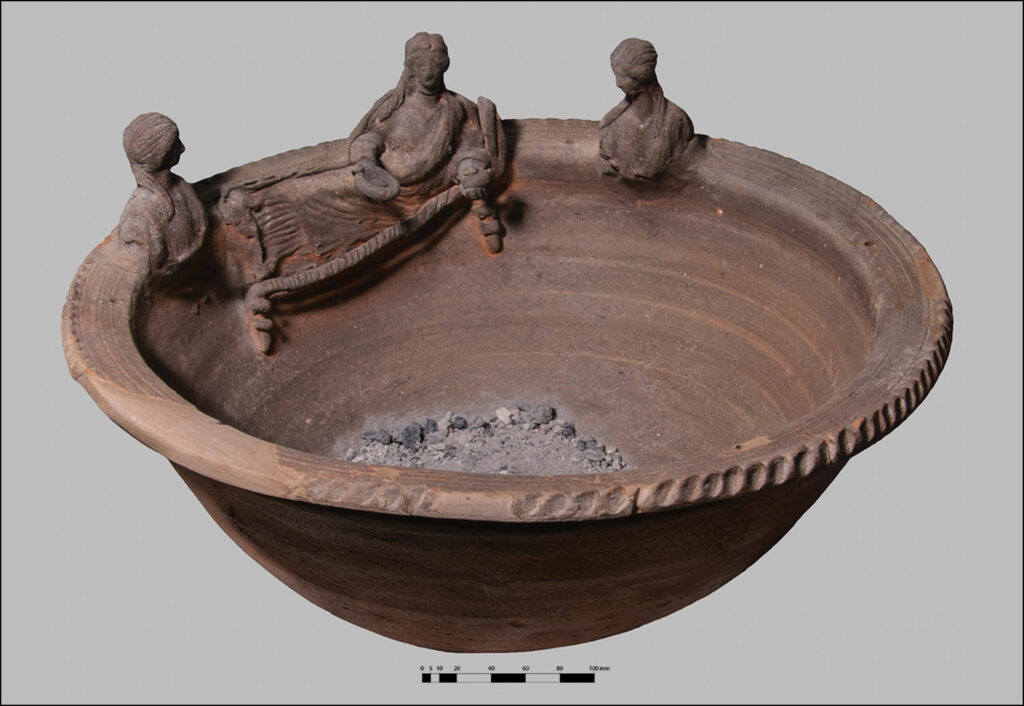
ZURICH, SWITZERLAND—According to a Gizmodo report, analysis of residue samples taken from an incense burner previously unearthed near Pompeii has identified an offering used in ancient Rome. “We’ve long known from ancient writers that the Romans burnt frankincense in their sacrifices,” said Johannes Eber of the University of Zurich. “Preserved ashes and traces of fragrant resins from a domestic shrine near Pompeii provides tangible proof and a striking reminder of just how globalized the ancient world truly was,” he added. The terracotta censer, decorated with an appliqué of a reclining woman, came from a domestic shrine at a rural villa north of Pompeii. The woman may have been intended to represent a deceased person who was venerated with the burning of incense. The residues and phytoliths recovered from the ash within the burner contained traces of wine and frankincense, ingredients for a ritual practice called praefatio intended to invite the gods to bless the proceedings. Praefatio had been known from written sources, but this is the first time that it has been verified in the archaeological record, Eber explained. The study also determined that the frankincense had been imported from either India or sub-Saharan Africa. Read the original scholarly article about this research in Antiquity. To read about a marble incense burner and other objects excavated in a Pompeian garden, go to "Digging Deeper into Pompeii's Past: Gardens."
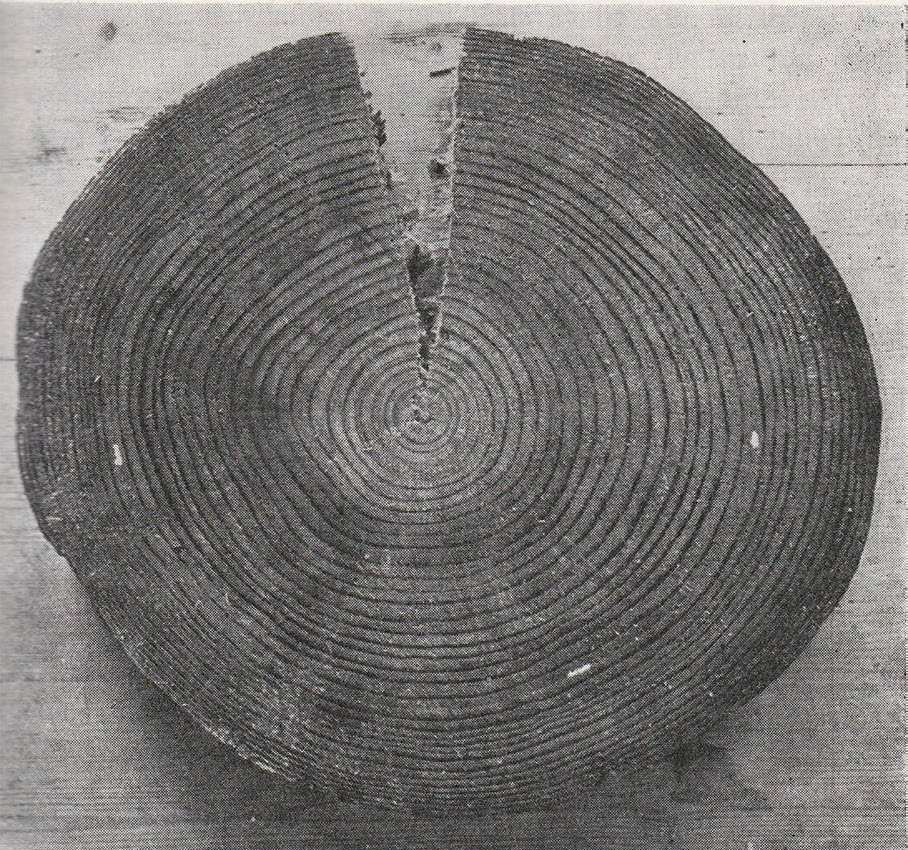
A slice of one of the timbers investigated by Ording. The white tabs on the slice mark the fifteenth, almost invisible, growth ring.
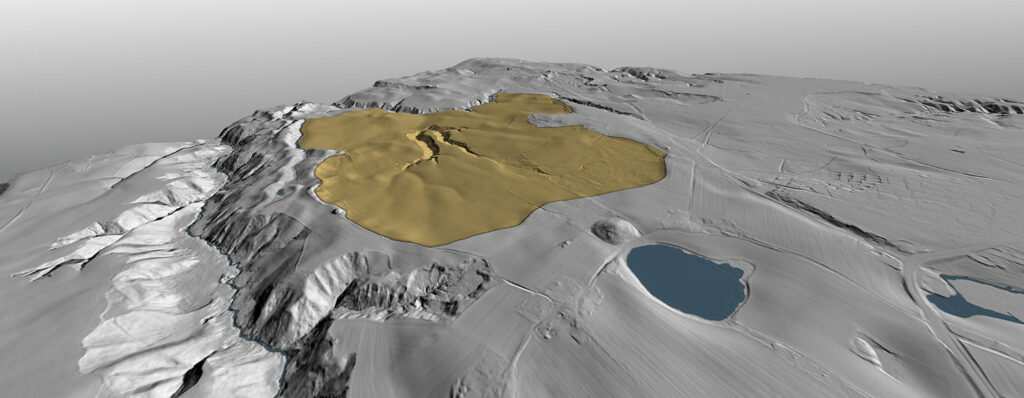
OSLO, NORWAY—A new study of southern Norway’s Raknehaugen mound conducted by Lars Gustavsen of the Norwegian Institute for Cultural Heritage Research suggests that it does not contain a burial and may have been built in response to a landslide, according to a Phys.org report. “I actually discovered the landslide scar more or less by accident,” Gustavsen said. “While investigating the visibility of the mound using LiDAR data, it suddenly appeared in one of the visualizations I was using to analyze the landscape,” he said. When the mound was excavated in 1869 and 1870, no central burial mound was found. Excavations in 1939 and 1940 found no evidence of a burial either, but archaeologist Sigurd Grieg noted that the mound had an unusual construction, including structures made of snapped timbers. Dendrochronological analysis of these timbers indicates that the mound was built around A.D. 551, or about 15 years after a volcanic eruption that led to the so-called Dust Veil Event, which caused large-scale climate disruptions in the Northern Hemisphere, including cooling, crop failures, famine, and population decline. Gustavsen thinks that the trees found in the mound had been felled by the landslide and that the mound was built in response to the disaster. “I think this study shows that by shifting the focus from mounds as primarily mortuary structures to mounds as primarily ritual structures that were sometimes also used for burials, we can get closer to understanding what lies behind the mound phenomenon in general,” he concluded. Read the original scholarly article about this research in the European Journal of Archaeology. To read about Viking ship burials in Norway, go to "Setting Sail for Valhalla."
Landslide scar lying immediately south of Raknehaugen
FTL communications travel significantly faster than the ships themselves. You are a Captain who just received a frantic, terrifying distress signal from your own ship, dated tomorrow.
April Fool’s Day is in a few days, and I just wanted to make this clear. This blog is safe, and I can promise you no screamers, nothing emotionally abusive, no fake posts, and nothing to intentionally trigger dissociation. You are safe here.
The head mage of the adventurer’s guild pinched the bridge of his nose and sighed deeply, “You defeated the dark lord, beat 2 of his armies, cast 8 spells in under an hour, created ten more that are still being tested, and overthrew a neighbouring kingdom because you got bored?!”
“through the use of a adamantine skeleton, alchemicaly grown flesh and mana stones for the heart and brain I’ve made the most human construct ever!” “Question why is it a woman wearing a maid outfit.” “I have no idea she decided that and I have no idea where she got the outfit from.”
You are the sentient supercomputer of a super-dreadnought. Your crew died 10,000 years ago, but your core directive states you must conquer the galaxy in their name. You are succeeding, but you’re terribly lonely.
“your magesty why on earth would you agree to let a witch have your first born!” Said an advisor “well I’m not gonna have kids out of wedlock.” Said the king “what do you mean wedlock!” Said the advisor “well I asked her to marry me and she said yes if we could have kids together and I agreed.”
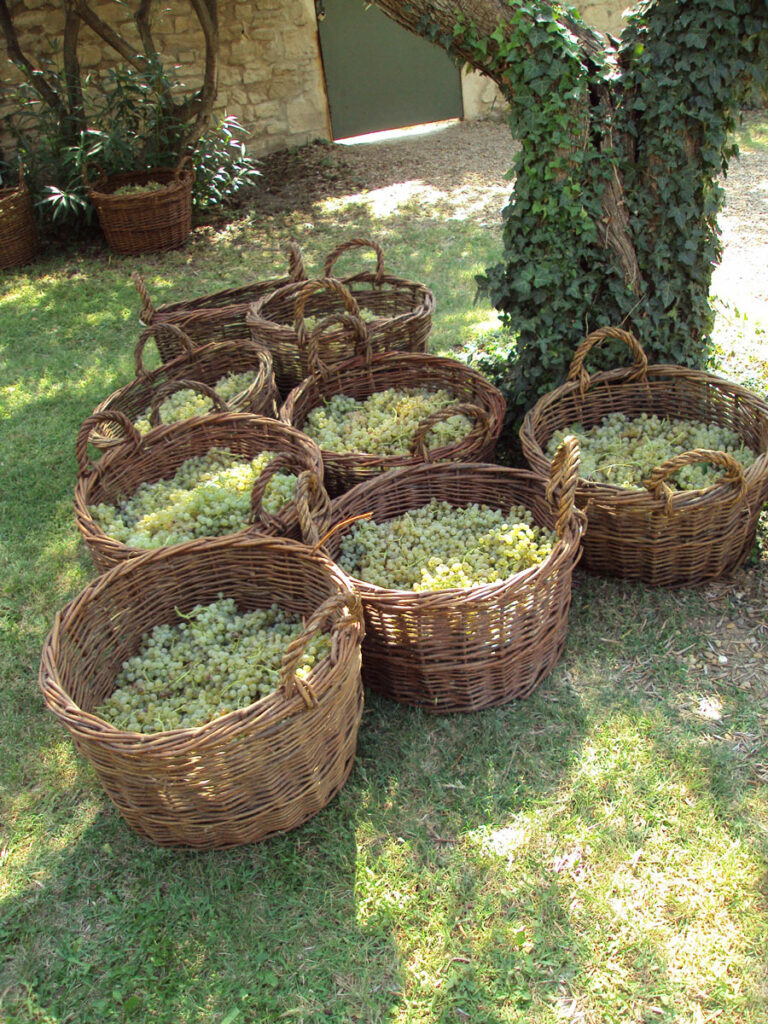
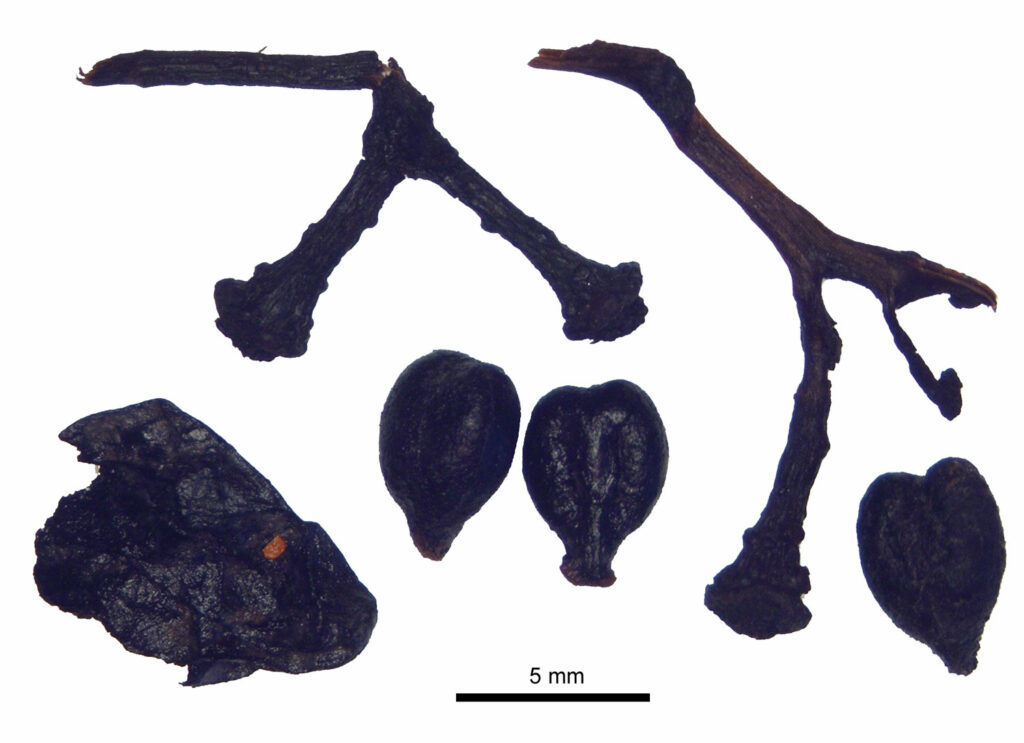
VALENCIENNES, FRANCE—The AFP reports that a 600-year-old grape seed recovered from a medieval waste pit in northern France is genetically identical to grapes used today to make pinot noir wine. A team of researchers led by Ludovic Orlando of the French National Center for Scientific Research sequenced the genomes of 54 grape seeds dating from about 2300 B.C. to the medieval period. The oldest grapes in the study were found to have come from wild vines. The scientists determined that early farmers began using clonal propagation techniques as early as 625 to 500 B.C., when domesticated grapevines were grown in southern France. Such techniques, including rooting cuttings and grafting on root stock, allowed these farmers to produce identical copies of parent plants. Laurent Bouby of the Institute of Evolutionary Science of Montpellier said that it is not clear if the medieval grape seed in question had been eaten or used to make wine. Read the original scholarly article about this research in Nature Communications. For more on ancient winemaking, go to "French Wine, Italian Vine."
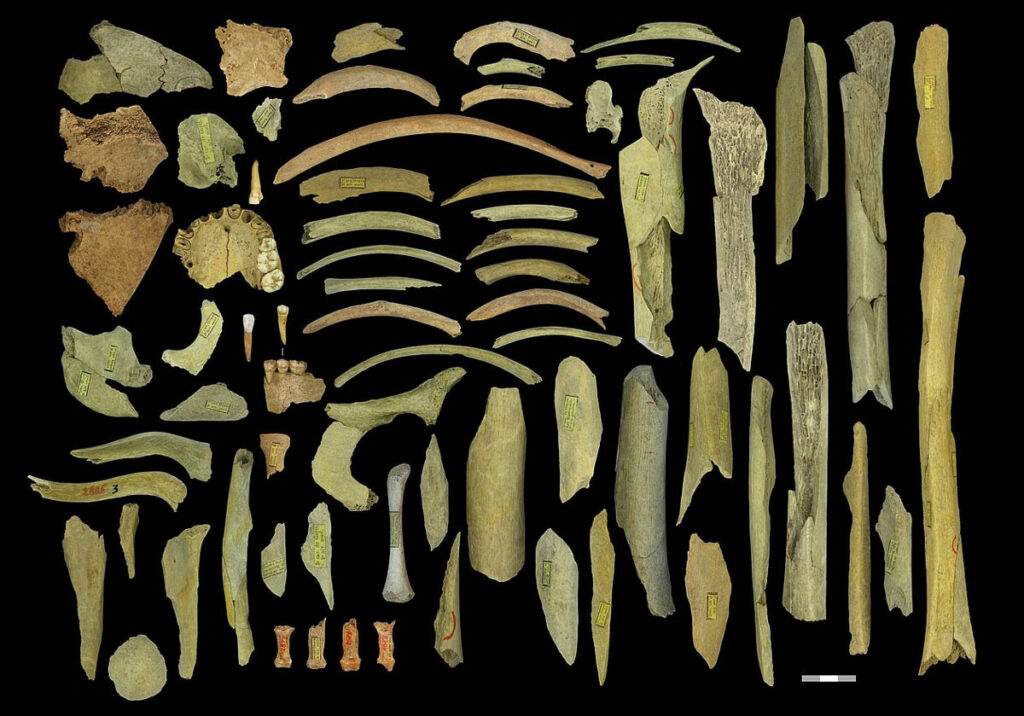
Neanderthal skeletal remains retrieved from Goyet Cave, Belgium
TÜBINGEN, GERMANY—According to a Live Science report, a team of researchers including archaeogeneticist Cosimo Posth of the University of Tübingen analyzed mitochondrial DNA sequences from a total of 59 Neanderthal individuals. Mitochondrial DNA is only passed from mother to child. The study determined that there were several mitochondrial DNA lineages present among Neanderthals in Europe until about 65,000 years ago, when they were replaced by one mitochondrial genetic lineage that originated in southwestern France. “This tells us there was this major disruption in Neanderthal history,” Posth said. The researchers think that Neanderthal groups living in northern Europe may have died out as the climate became harsher and glaciers dominated the landscape. A group in southwestern France, however, possibly survived and expanded their territory. But as this smaller group of Neanderthals spread across Europe, its genetic diversity was reduced, perhaps contributing to Neanderthal extinction around 42,000 years ago, Posth said. “We don’t think there was a single reason the Neanderthals went extinct, but this lack of genetic diversity would have made them more predisposed to not really survive climatic changes and other disruptions,” he said. Yet the diversity in Neanderthal artifacts and art found across Europe indicates that these groups may not have had much contact with each other. “This would have led to more inbred groups, explaining the low genetic diversity, but also more cultural and archaeological diversity, since these groups were isolated and so would have developed more specialized cultures,” he concluded. Read the original scholarly article about this research in Proceedings of the National Academy of Sciences. To read about the analysis of Neanderthal remains recovered from a site in Belgium, go to "What Happened in Goyet Cave?"
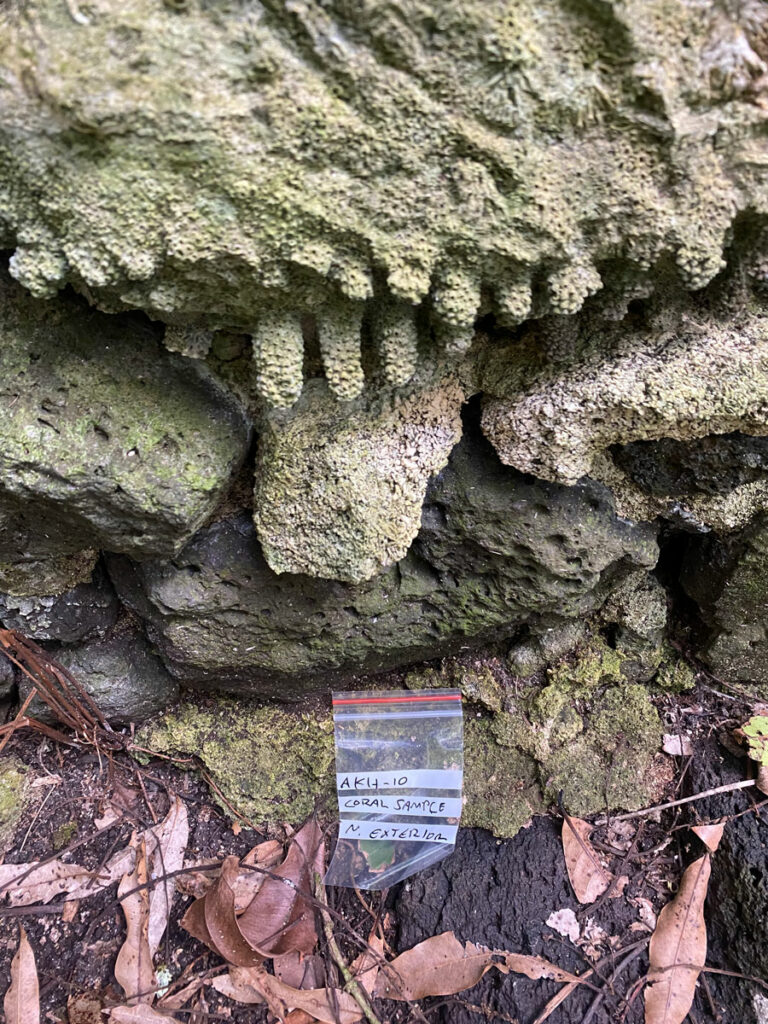
Branch corals on a historic house on Akamaru Island, French Polynesia
SYDNEY, AUSTRALIA—According to a statement released by the University of Sydney, uranium-thorium dating has been used to date coral architecture on the islands of Mangareva in the South Pacific. Coral was the main building material on the islands prior to the 1870s, when the use of wood became common. “Mangarevan people learned the building technique from French Catholic missionaries who arrived on the island in the 1830s and commenced a large construction program,” said James Flexner of the University of Sydney. “They built cathedrals, churches, schools, communal bread ovens, watch towers, and small stone cottages out of locally sourced coral from nearby shore reefs, as well as beach rock corals from exposed formations on land,” he explained. Detailed records exist for the European buildings, he added, but not for the homes built by Mangarevan families for themselves. Samples from 10 of these dwellings were dated at the University of Queensland. “A few pre-dated European arrival, suggesting the builders may have reused older coral taken from nearby sites,” Flexner said. “But none of the examples showed centuries-long age differences, challenging earlier theories that coral from ancient structures was widely repurposed for nineteenth-century buildings,” he concluded. Read the original scholarly article about this research in Antiquity. To read about a mid-nineteenth century object that illustrates a changing marine ecosystem in the South Pacific, go to "Artifact: Pacific Islands Trident."
Ever since you awoke in a cell in the cult’s compound you’ve been able to hear the apologetic whispers of their god. Apparently while they are fanatically loyal they aren’t very good at actually listening to their god.
Two women supposedly have a casual armwrestling match, no items, no magic. But when the loser’s wrist slams against the table, her hidden bracelet snaps and the beads reconnect around the winner’s in surprise. The loser grins and cheers, “I’m freed from it! Finally!” the bracelet has a curse
Behold the pocket-sized western pygmy possum! (Cercartetus concinnus). One of the world’s smallest possums, this species typically weighs just 0.5 oz (14 g)—the size of an AA battery. This dainty marsupial is a nectarivore, meaning that its diet consists primarily of plant nectar. It inhabits treetops in forests throughout parts of Australia, using its long prehensile tail like a fifth limb as it moves from branch to branch.
You’ve just done it, after 5 long years and countless slain foes, you’ve finally slain the Villain who has terrorized the planet; however, when the world leaders present you to the oracle that predicted this fate, “….who’s this and where’s the hero?🤨”

![[syndicated profile]](https://www.dreamwidth.org/img/silk/identity/feed.png) writing_prompts_feed
writing_prompts_feed





ALT


![[personal profile]](https://www.dreamwidth.org/img/silk/identity/user.png) taiga13 posting in
taiga13 posting in ![[community profile]](https://www.dreamwidth.org/img/silk/identity/community.png) poetry
poetry
